
Certificate Program
Personal Support Worker
Join a rewarding field in healthcare | NACC Approved
START DATE: January 2027
TRAINING HOURS: 700 Hours
CAMPUS: North York – 265 Yorkland Blvd
Program Overview
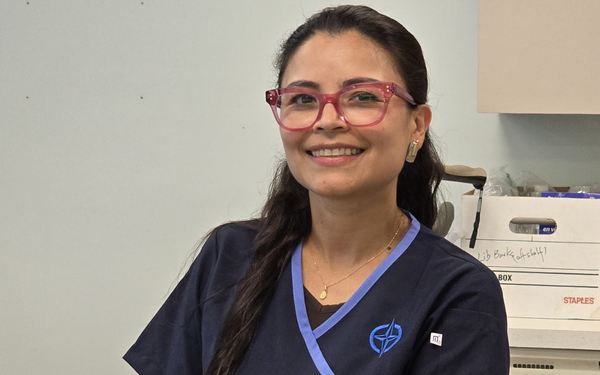
Cestar College’s Personal Support Worker (PSW) Program in Toronto provides comprehensive training, including online and in-person learning, that can be completed in just 25 weeks. With expert instructors, a supportive learning environment, and two practical placements, you’ll gain the skills employers are looking for. Book a consultation with an admissions officer today to take the first step toward joining our next cohort!
Quick Facts
Location: North York — 265 Yorkland Blvd
Credential: Certificate
Duration: 25 Weeks (700 hours)
Courses
Essential theory + practical skills for day-one readiness in care homes.
PSW Foundations
55 Hours
This introductory module provides an overview of the scope of responsibilities of Personal Support Workers (PSWs) in a variety of care settings. Key topics include work relationships, stress and time management, interpersonal skills, communication, and conflict resolution.
Safety and Mobility
40 Hours
This module focuses on safety for both clients and healthcare workers. Topics include equipment safety, infection prevention and control, proper body mechanics, safe lifting techniques, and mobility assistance.
Body Systems
40 Hours
This module introduces the fundamentals of anatomy and physiology, covering the musculoskeletal, digestive, urinary, integumentary, reproductive, cardiovascular, respiratory, nervous, and endocrine systems.
Assisting with Personal Hygiene
30 Hours
With a focus on compassionate, client-centered care, students learn to assist individuals who are ill, injured, disabled, or cognitively impaired. Topics include oral care, perineal care, bathing, grooming, dressing, bed making, shaving, hair care, and skin care.
Abuse and Neglect
15 Hours
This module introduces the concepts of violence, abuse, and neglect, including recognizing warning signs, understanding legal responsibilities, and taking appropriate action when abuse is suspected.
Household Management, Nutrition and Hydration
25 Hours
Students learn how to support clients with nutrition, hydration, and household management. Topics include meal planning, grocery shopping, safe food handling and storage, and basic cooking techniques.
Care Planning, Restorative Care, Documentation, Working in the Community
30 Hours
This module explores client care plans and restorative care strategies that support individuals in regaining or maintaining daily living skills. Students also learn documentation practices and concepts related to community healthcare services.
Assisting the Family, Growth and Development
25 Hours
This module examines family structures, roles, relationships, and lifestyles. Students also explore cultural values, religious beliefs, and the impact of illness, disability, and stress on family dynamics.
Assisting the Dying Person
30 Hours
This module introduces hospice, palliative, and end-of-life care. Students also study the Provincial Palliative Care Competencies (2018–2020), including culturally appropriate care for First Nations, Inuit, Métis, and urban Indigenous peoples.
Assisting with Medications
20 Hours
Within the PSW scope of practice, students learn the difference between medication administration and medication assistance. Topics include common medications, classifications, therapeutic effects, routes of administration, and medications used to treat common diseases and disorders.
Cognitive / Mental Health Issues and Brain Injuries
40 Hours
This module introduces students to common mental health conditions, including affective disorders, schizophrenia, substance use disorders, cognitive impairment, dementia, and acquired brain injuries.
Health Conditions
40 Hours
This module introduces ongoing health conditions and disabilities while exploring concepts of assistance, rehabilitation, maintenance, and restoration to support clients with a variety of physical and medical needs.
Gentle Persuasive Approaches in Dementia Care
10 Hours
This module explores Gentle Persuasive Approaches (GPA), an evidence-based, multidisciplinary program designed to help caregivers effectively support and communicate with older adults living with dementia.
Clinical Placement (Facility)
200 Hours
This clinical placement provides students with hands-on experience in a healthcare facility. Students complete 100 hours under the supervision of their instructor and an additional 100 hours under the guidance of a preceptor at the host site.
Clinical Placement (Community)
100 Hours
This community-based clinical placement allows students to apply their knowledge and practical skills in a real-world setting while working under the supervision of a preceptor provided by the host organization.
Admission Requirements
OSSD or equivalent (international credentials must be verified by authority such as World Educational Services (WES), or, if over 18, a mature student test. If English is not your first language proof of English competency is required.
Placement Requirements: Vulnerable sector check; Signed Medical Disclaimer form and report.
How We Prepare You
By the end our Personal Support Worker (PSW) program, you’ll be able to…
- Care for patients with various illnesses and/or disabilities
- Assist patients with day-to-day tasks like meal preparation, personal hygiene, and in-home cleaning and household management jobs
- Foster a safe and comfortable environment for all clients
Identify relevant patient information to provide the best possible care - Provide support in the areas of disease prevention, end-of-life care, assistance with life-threatening illness, and care for mental health and emotional well-being
- Maintain collaborative working relationships with other personal support workers, patients, and their family members
All graduates will be fully prepared to work as a PSW in Ontario after passing the final theory examination. For more information about the certification exam, visit the NACC Personal Support Worker website.
Industry Demand
Projected job openings (2024-2033)
26,200
Source: Occupations.esdc.gc.ca
Salary Highlights
Entry-Level PSW
HOURLY: $19–$24
ANNUAL: $39,520–$49,920
Experienced PSW
HOURLY: $26–$33
ANNUAL: $54,080–$68,640
Sources: JobBank.gc.ca, Indeed.ca
Contact us today to learn more about starting your PSW career.
Employment Landscape for PSWs in Ontario
Ontario’s healthcare system is undergoing a massive expansion in long-term and community care, driving unprecedented demand for Personal Support Workers (PSWs). As the province upholds its mandate of providing an average of four hours of direct care per resident daily in long-term care homes, and with a projected shortage of over 50,000 workers by 2032, employers are aggressively recruiting. The landscape is currently defined by significant provincial investments designed to bolster the frontline workforce, focusing on home-based care and specialized support for an aging population.
Ontario Job Market Snapshot (2025–2030)
- Unprecedented hiring demand across Toronto, Mississauga, Scarborough, Brampton, North York, and surrounding suburbs due to an aging population and provincial care mandates.
- Stable full-time and part-time opportunities in long-term care (LTC) homes, hospitals, and community-based home care agencies.
Why Employers in Ontario Value Certified PSWs
Ontario healthcare facilities prioritize candidates who:
- Have strong infection prevention and control (IPAC) knowledge: Essential for maintaining safety standards in high-traffic residential and clinical environments.
- Understand electronic health records (EHR): Proficiency in digital charting and documentation systems (such as PointClickCare) to track resident health and care plans in real-time.
With rising demand for healthcare services and a continuous need for trained professionals, certified PSWs remain an essential part of Ontario's healthcare landscape.
What is the Role of a Personal Support Worker?
Personal Support Workers (PSWs) provide essential physical and emotional care to individuals limited by age, illness, or disability. Operating in private homes, long-term care facilities, and hospitals, PSWs maintain client safety while assisting with daily living tasks such as bathing, dressing, and mobility.
Certified PSWs perform clinical and supportive duties such as:
- Monitoring and documenting vital signs (e.g., blood pressure, temperature, and pulse)
- Performing non-sterile dressing changes and basic wound care under supervision
Activities of Daily Living (ADLs):
- Bathing
- Dressing
- Feeding
- Mobility
Explore Our Facilities
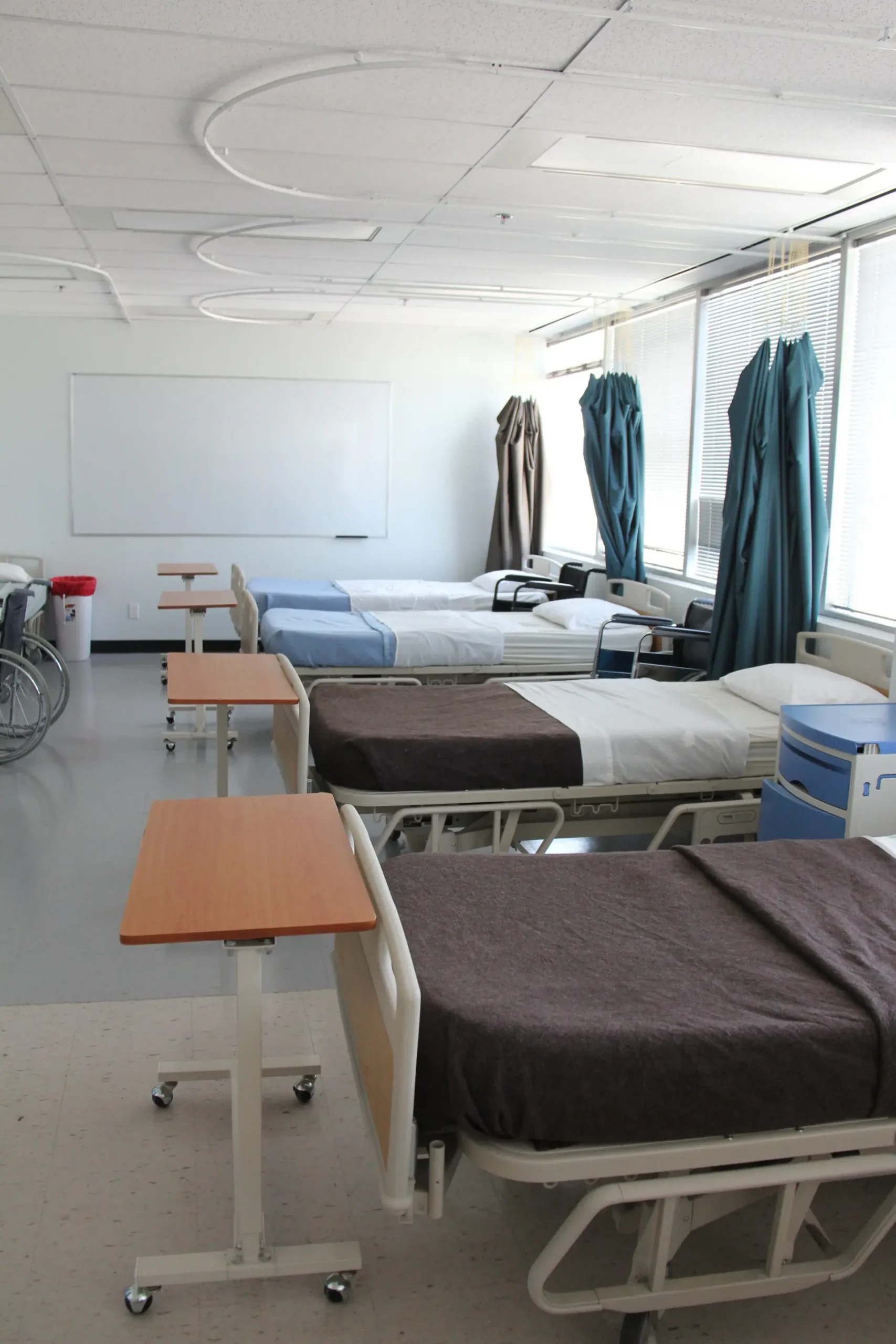
Our campus, located in Toronto, offers optimal learning spaces designed to mimic real healthcare environments. Equipped with hospital beds, wheelchairs, and lifelike mannequins, our facilities provide PSW students with quality hands-on training in the heart of Toronto, ensuring they are fully prepared to meet the demands of the healthcare field.
- Fully equipped lab for hands-on training
- GPA (Gentle Persuasive Approaches) and Standard First Aid & CPR Level C
What Our Graduates Say
The PSW Program has been an incredible experience for me. It equipped me with essential skills for my profession both theoretically and practically. I owe much of that to my amazing professor, Christine Chan. Managing both my Lambton Course AHCT and PSW was tough, but with the support from my professor and fellow classmates, it was greatly enriched.
Krishna C. Nair
(Cestar College Graduate)
Is Becoming a Personal Support Worker Right for You?
If you are seeking a stable, hands-on healthcare career and enjoy providing direct, compassionate care to others, becoming a PSW may be the ideal path for you. Our NACC approved PSW program provides the clinical knowledge, practical skills, and hands-on placement experience required to excel in Ontario’s long-term care facilities, hospitals, and community home care settings.
Complete the form on this page to learn more about tuition, schedules, career options, and how you can start your training.
To speak directly with someone from our admissions team, call us at 416-485-8588
Personal Support Worker FAQ
What makes the Cestar PSW program different from others?
Our PSW program offers the perfect balance of flexibility and hands-on learning. Learn the theory portions online from anywhere—over 70% of the classroom instruction is fully virtual—then dive into dynamic in-person labs that bring your skills to life. Our North York campus, just off the 401 at Victoria Park (and both TTC and GO accessible), makes attending practical sessions simple and convenient. Get ready to experience a program that fits your lifestyle while giving you real-world expertise! In just 25 weeks, you can join this rewarding profession!
When is the program offered and what is the schedule?
Student applications are accepted for three intakes/start dates: Fall (September), Winter (January), and Spring (May). Schedules vary from term to term; however, we offer both daytime and evening schedules. It’s best to speak with someone on our registration team for information on the schedule planned for upcoming intakes.
When can I take the NACC PSW exam?
You’ll write your final exam once you finish your placement hours. For your convenience, the NACC PSW exam is held on campus, and the cost of your first attempt is covered by the college. We will also arrange for subsequent test attempts; however, students are responsible for the exam fees beyond the first attempt.
Is the program online or in person?
Experience the best of both worlds with our hybrid PSW program! Over 70% of the classroom instruction is delivered online, giving you the flexibility to learn the theory portions from anywhere. But when it’s time to get hands-on, our engaging lab sessions bring you to campus, where you’ll apply your skills in person. Conveniently located in North York, just North of the 401 at Victoria Park (and both TTC and GO accessible), our campus location makes attending practical components easy and stress-free. This program is designed to give you the perfect balance of online learning and real-world experience!
Why should I choose Cestar College over other institutions?
Cestar College offers high-quality programs that feature small class sizes; streamlined, condensed schedules; and dedicated instructors with extensive experience in their profession. All of our programs include a practical placement for hands-on learning and, because our programs are accelerated, students graduate faster without sacrificing academic depth. Ideal for students looking to enter the workforce sooner, our programs graduate students who are motivated, job-ready, and prepared for success.
Does Cestar college offer financial aid?
All of our programs are OSAP and Better Jobs Ontario eligible. Students are advised to visit the OSAP and Better Jobs Ontario websites to determine whether they qualify for financial assistance through these provincial programs. Additionally, Cestar offers interest-free payment plans. Students are encouraged to speak with someone on our registration team to learn more and determine their eligibility.
Can international students apply to Cestar College?
Currently, Cestar College is only accepting applications from Canadian Citizens and Permanent Residents. To learn more, please contact us here.
What is the student life like at Cestar College?
At Cestar College, students can enjoy a vibrant and engaging student life with access to study rooms, student lounges, an on-campus library, and food services, including Tim Hortons! Our campus provides all the necessary amenities for a rewarding and full student experience, in and outside the classroom.
Where is Cestar College located?
Our campus is located at 265 Yorkland Blvd., near the intersection of Victoria Park and Sheppard, just north of Hwy 401. Cestar College is both TTC and GO Transit accessible. Student parking is available.
Can I schedule a campus tour?
Of course! Our regular hours are Monday through Friday from 8:30 pm – 5:30 pm for campus tours. Evening tours can also be arranged. Contact us here to book a tour.
What is the eligibility criteria to apply?
Students must have an OSSD/High School diploma or equivalent. Students with mature student status (over age 18) without an OSSD or equivalent are required to write an admissions test.